
Yep, I know what you’re thinking. Your name is Celia and you have coeliac disease.Correct.
Now that we’ve got that out of the way, here’s how I became Celia the Coeliac.
In late 2022, I went to a new doctor who wanted to run a full round of blood tests. It had been years since my last one, and honestly, it was a bit of a shock. It felt like the first time I’d seen a doctor who wanted to understand my overall health, not just fix whatever I had booked the appointment for.
When the results came back, my doctor told me I had low iron. That wasn’t a huge surprise because I’d had low iron about five years earlier, too. Back then, my GP prescribed iron tablets, and that was the end of it. No follow-up, no re-testing. I’m not blaming anyone, but I didn’t realise at the time how important it was to make sure my iron levels returned to normal.
Anyway, this new doctor asked if I had any stomach problems, which I thought was a weird question. I told her, “Well, I think I’m lactose intolerant.”
At the time, we were deep in wedding season. So many weddings, so many platters, and so much cheese. I’d often feel really tired halfway through an event and figured I just needed to cut back on dairy.
After hearing my story, my doctor asked if I had ever heard of coeliac disease. I actually asked her to repeat the question because I thought she said my name. She explained what it was and requested another round of blood tests, a coeliac serology test.
Now, I’ll be honest, my first thought was “Can’t they just use the blood they already took?” Clearly not that medically inclined.
Long story short, my results came back, and they were bad. From my understanding, a normal reading should be between 4 and 7. Mine was 124. That was the moment it hit me, this was life-changing. My very first thought was, Are potatoes gluten-free?
I was referred to a gastroenterologist for an endoscopy, a camera down the throat, to see how much damage had been done. It wasn’t good. For anyone unfamiliar, there are tiny finger-like things called villi in your small intestine that help absorb nutrients, and mine were completely destroyed.
It was a lot to take in, but I felt so grateful for that proactive doctor who caught it.
Since being diagnosed, I’ve had a 2.5-year follow-up gastroscopy, and thankfully, my villi have grown back and I’ve made a full recovery. While that doesn’t mean I can go back to eating gluten, it does mean I get to fully embrace this new chapter, Celia the Coeliac, and share everything I’ve learned along the way.
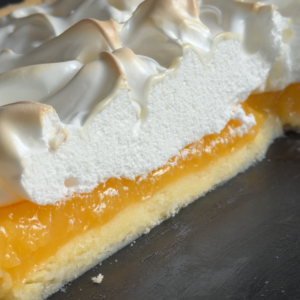
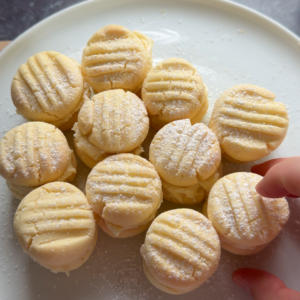
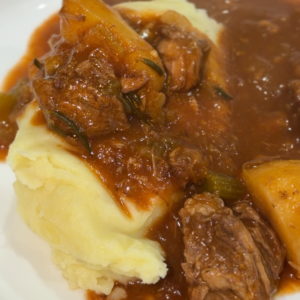
So here you are, on my website, exploring my gluten-free recipes, proof that being coeliac doesn’t mean missing out on delicious food.
Thank you for being here. I look forward to sharing more recipes with you!